JavaScript Return Values
By Flavio Copes
Learn how return values work in JavaScript, why every function returns undefined by default, and how the return keyword ends a function and hands back a value.
Every function returns a value, which by default is undefined.
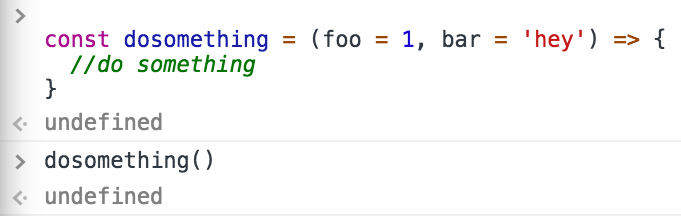
Any function is terminated when its lines of code end, or when the execution flow finds a return keyword.
When JavaScript encounters this keyword it exits the function execution and gives control back to its caller.
If you pass a value, that value is returned as the result of the function:
const dosomething = () => {
  return 'test'
}
const result = dosomething() // result === 'test'
You can only return one value.
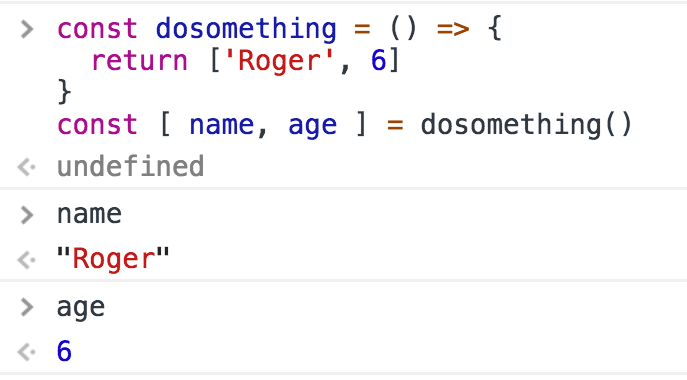
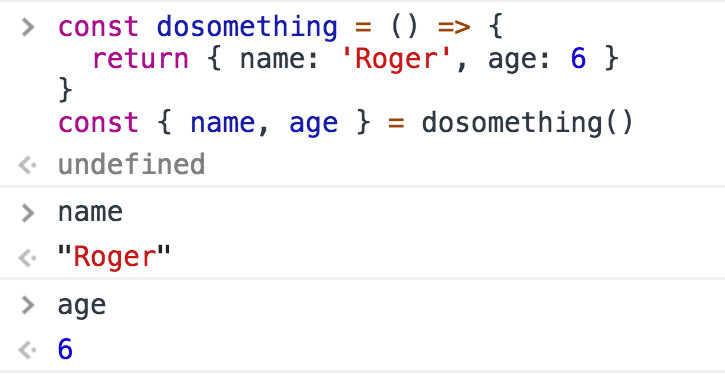
To simulate returning multiple values, you can return an object literal, or an array, and use a destructuring assignment when calling the function.
Using arrays:
Using objects:
Want me to talk about your product? You can sponsor this site.
Related posts about js: